



Hard water stains on windows are one of the most frustrating problems homeowners face. Those cloudy, white mineral deposits seem impossible to remove — and if left too long, they can permanently damage your glass. In this guide, we explain what causes hard water stains on windows, how to remove them, and when to call a professional.
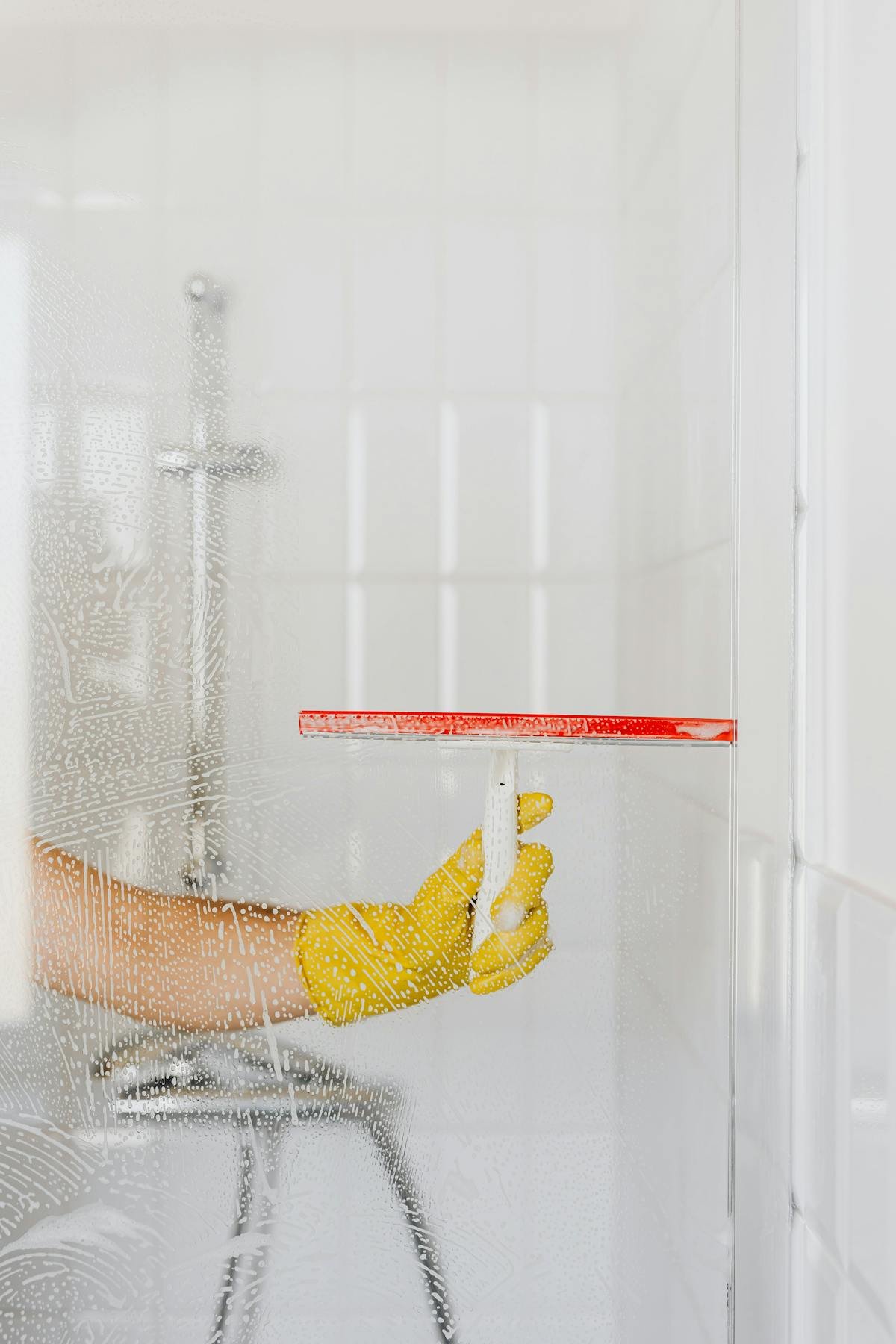
What Causes Hard Water Stains on Windows?
Hard water stains on windows are caused by water that contains high concentrations of dissolved minerals — primarily calcium and magnesium. When this water lands on your glass (from rain, sprinkler systems, or even humid air) and then evaporates, it leaves behind those minerals as a white, chalky residue.
In the Chicago area, hard water is a common issue due to the region’s water supply. Over time, repeated exposure builds up layer after layer of mineral deposits, making stains increasingly difficult to remove.
Common Sources of Hard Water on Windows
- Sprinkler systems – Irrigation sprinklers that hit windows are one of the most common causes of hard water buildup on exterior glass.
- Rainwater runoff – Water that runs down from concrete, brick, or mortar before hitting glass picks up minerals along the way.
- Tap water – Interior windows near kitchens or bathrooms can develop stains from splashes of tap water over time.
- Condensation – In humid climates, moisture can carry mineral residue that deposits on glass as it evaporates.

How to Remove Hard Water Stains on Windows
The method you need depends on how severe the hard water stains are. Here are options ranging from DIY to professional-grade treatment:
1. White Vinegar Solution (Mild Stains)
For light, early-stage hard water stains, a mixture of equal parts white vinegar and distilled water can dissolve mineral deposits. Spray it on the glass, let it sit for 5-10 minutes, then scrub gently with a non-abrasive pad and rinse. Repeat if needed.
2. Citric Acid Cleaner (Moderate Stains)
For more stubborn hard water stains on windows, a citric acid-based cleaner provides stronger mineral-dissolving power. Apply, let it dwell for 10-15 minutes, then scrub and rinse thoroughly. Always test on a small area first.
3. Professional Hard Water Stain Removal (Severe Stains)
When hard water stains have been present for months or years, DIY solutions often fall short. Professional window cleaners use specialized polishing compounds and tools that can restore glass clarity without scratching — and can identify whether the glass has been permanently etched.
Can Hard Water Stains Permanently Damage Windows?
Yes — and this is the most important reason not to ignore them. When mineral deposits are left on glass for extended periods, they can chemically bond with the silica in the glass surface, creating permanent etching. At that point, the only option is glass restoration or replacement. Acting early is always far cheaper than waiting.
How to Prevent Hard Water Stains on Windows
- Adjust sprinkler direction – Make sure irrigation systems don’t spray directly onto windows or window frames.
- Apply a water-repellent glass coating – Products like Rain-X create a barrier that causes water to bead and roll off rather than evaporate on the glass.
- Schedule regular professional cleanings – Twice-a-year professional window washing removes mineral buildup before it bonds to the glass.
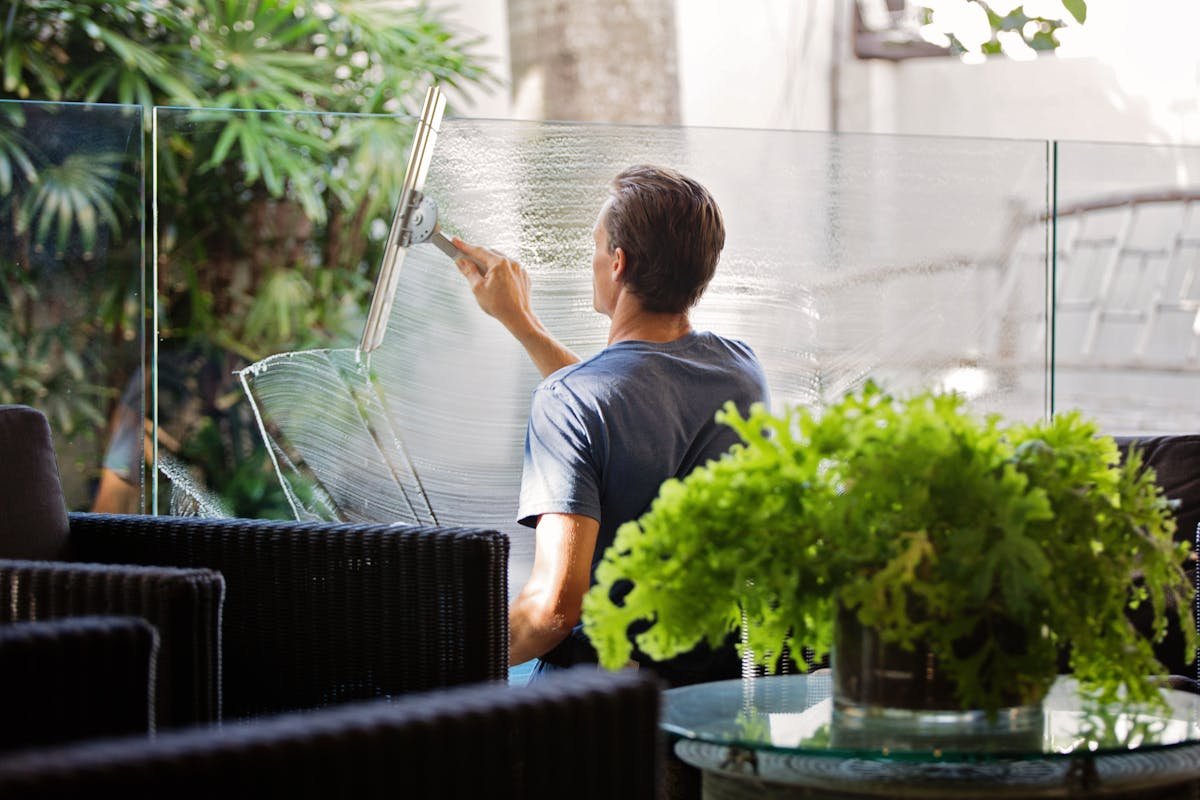
- Dry windows after rain or splashing – A quick wipe with a squeegee after exposure prevents deposits from forming in the first place.
When to Call Ernest Windows for Hard Water Stain Removal
If your windows have cloudy white buildup that won’t respond to vinegar or store-bought cleaners, it’s time to call in the professionals. Ernest Windows has been removing hard water stains on windows across the Chicago area since 2003. Our technicians use professional-grade solutions and equipment to restore your glass — safely, thoroughly, and without scratching.
We serve Deerfield, Northbrook, Glenview, Buffalo Grove, Arlington Heights, and surrounding areas — seven days a week with no weekend surcharge. Contact us today for a free estimate.